


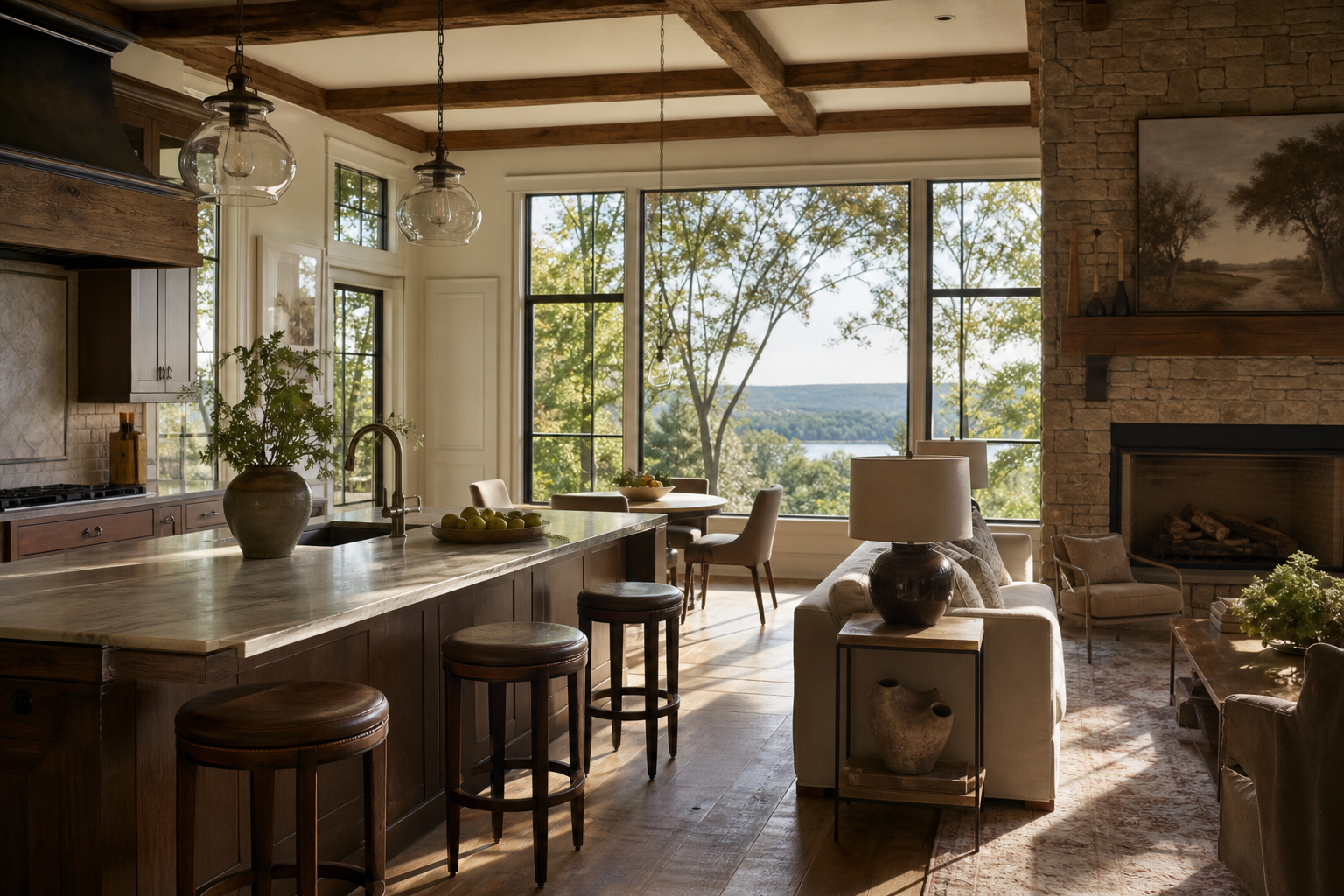
Selling your East Texas home for the highest price in the shortest time comes down to three things: a plan built on accurate local pricing, thorough pre-listing preparation, and disciplined execution from listing day through closing. Skip any one of those and you leave money or time on the table.
What does it actually take to sell a home fast and for top dollar in East Texas?
Selling your East Texas home for the highest price in the shortest time comes down to three things: a plan built on accurate local pricing, thorough pre-listing preparation, and disciplined execution from listing day through closing. Sellers who treat any one of those as optional almost always regret it, either in days sitting on market or in dollars left behind at the closing table.
I tell every seller I work with the same thing: you can list a house for sale, or you can sell a house. The difference is a proven plan. Here's what that plan looks like in East Texas.
Before You List: The Work That Wins
Most sellers want to skip straight to putting a sign in the yard. The sellers who get the best outcomes do the opposite, they invest serious time before the listing goes live.
Price it right from day one
Pricing is the single biggest lever you control. East Texas markets, from the Tyler and Longview corridors to Lufkin, Nacogdoches, and Beaumont, each have their own supply and demand dynamics. A price that would move a home in Smith County's suburban neighborhoods may sit untouched on an acreage tract in Angelina County.
The only way to know your real number is to study recent closed comparable sales in your specific micro-market: your city, your subdivision, your school district, or your rural area. Trend-level data from portals like Zillow and Redfin's Data Center can show directional movement, but they are not official MLS sources. Your local MLS data, pulled by a licensed broker who works this market daily, is what sets a defensible list price.
Overpricing is the most expensive mistake a seller makes. A home that sits gets stigmatized. Buyers assume something is wrong with it, and you end up chasing the market down with price reductions that cost you more than pricing it correctly would have.
Prepare the home like a buyer will scrutinize every inch
Because they will. According to the National Association of REALTORS® Profile of Home Staginga majority of buyers' agents report that staging makes it easier for buyers to visualize a property as their future home, and that perception directly influences perceived value and time on market. In East Texas, that means decluttering, neutralizing paint colors, addressing deferred maintenance, and making sure the home photographs well.
Speaking of photography: NAR's Home Buyers and Sellers Generational Trends Report consistently shows that nearly all buyers use online search and listing photos when shopping. Your photos are your first showing. If they're dark, cluttered, or shot on a phone, you've already lost a portion of your buyer pool before they ever schedule a visit.
Complete your Seller's Disclosure Notice before you list
Under Texas Property Code §5.008most sellers of residential property with no more than one dwelling unit must provide a written Seller's Disclosure of Property Condition to the buyer. This isn't optional, and it isn't something to fill out at the last minute. The Texas Real Estate Commission (TREC) publishes a standard Seller's Disclosure Notice form that covers foundation, roof, plumbing, electrical, HVAC, appliances, water penetration, pest issues, structural repairs, environmental hazards, and, critically for rural East Texas properties, known issues with wells, septic systems, and past insurance claims.
Even "as-is" sales don't relieve you of this obligation. Texas Property Code §5.008 lists specific exemptions (certain fiduciary transfers, new construction by a builder, some foreclosure-related sales), but if your sale doesn't fall into one of those categories, the disclosure is required. I have sellers complete this form before we go live, buyers receive it early in the option period so they can factor it into their inspections and negotiations, and there are no surprises that derail a deal at the worst possible moment.
If your home was built before 1978, federal law adds another layer. Under the Residential Lead-Based Paint Hazard Reduction Act (Title X)you must provide the EPA pamphlet "Protect Your Family From Lead in Your Home," disclose any known lead-based paint or hazards, share any existing reports, and allow a 10-day inspection period (unless the buyer waives it in writing). This comes up frequently in older housing stock in areas like Gregg County's Longview neighborhoods.
Gather your supporting documents
Buyers in East Texas, especially on rural tracts, will ask for documentation you don't want to scramble for mid-contract. Pull together surveys, permits, well and septic maintenance records, any HOA or POA documents, and records of past repairs. If your property has acreage with timber, agricultural, or mineral considerations, be ready to address questions about leases, exemptions, and any rollback tax exposure. Buyers in Angelina and Nacogdoches counties in particular focus heavily on access, easements, and use restrictions on larger tracts.
Properties in flood-prone parts of East Texas, Jefferson County and parts of the Beaumont/Port Arthur area especially, should have insurance history and elevation information ready. FEMA flood resources and your insurance history are things buyers will ask about, and having them ready signals a well-organized seller. The Texas Department of Insurance is a useful reference for understanding insurance-related disclosure considerations.
From Active Listing to Closing: Execution Is Everything
Once the listing goes live, the work shifts from preparation to execution. Here's the typical sequence in East Texas, and where sellers most often stumble.
The active listing period
Your home syndicates from the MLS to major portals and buyer-facing feeds the moment it goes active. Serious buyers and their agents in East Texas hubs like Tyler and Longview watch new listings and price changes daily. You have a narrow window, typically the first one to two weeks, where buyer attention and urgency are highest. Keep the home show-ready throughout that window.
Electronic lockboxes and appointment-setting services are standard in city and suburban East Texas. Rural properties may require more lead time for showings due to acreage, livestock, or gate access, build that into your plan so showings don't fall through logistics.
Evaluating offers: price isn't the only number that matters
When offers come in, the purchase price is the headline, but it's not the whole story. According to Texas REALTORS®sellers may lawfully consider net proceeds, financing type, inspection and appraisal contingencies, and closing timelines when evaluating offers, provided all decisions comply with federal and state fair housing law.
A cash offer with no inspection contingency at a slightly lower price may net you more than a financed offer with a long option period and aggressive repair requests. I walk my clients through each offer side by side, not just the price line, so they understand what they're actually agreeing to.
| Offer Factor | Why It Matters in East Texas |
|---|---|
| Purchase price | Starting point, but not the final number after repairs and concessions |
| Financing type (cash vs. conventional vs. FHA/VA) | Affects appraisal requirements, loan timelines, and deal certainty |
| Option period length and fee | Longer option = more seller risk; fee compensates but doesn't eliminate it |
| Inspection and repair contingencies | Repair requests on rural properties (well, septic, roof) can be significant |
| Closing date and possession terms | Timing flexibility can be as valuable as price in some situations |
| Appraisal contingency | Matters more in markets where values are moving quickly |
Under contract: the option period and inspections
Once you're under contract, the buyer typically has an option period, a negotiated window to perform inspections and, if they choose, terminate the contract for any reason. General home inspections, specialized system inspections, well and septic evaluations, and termite inspections are all common in East Texas. Repair requests or credits are then negotiated, and the contract may be amended.
Your Seller's Disclosure Notice plays a direct role here. Sellers who have completed it thoroughly and honestly tend to have smoother inspection negotiations, there are fewer "surprise" discoveries that give buyers leverage or cold feet.
Title, appraisal, and closing
In East Texas, residential closings are handled through licensed title insurance companies, which coordinate document signing, manage escrow funds, clear liens and encumbrances, and issue title policies. This is standard practice, the Texas Land Title Association and the Texas Department of Insurance both provide resources on how the title process works. The title company becomes your central point of contact for the closing date, documents, and funding.
One thing worth knowing: Texas has no state real estate transfer tax, according to the Texas Comptroller of Public Accounts. Recording fees, title insurance premiums, and other closing cost allocations are governed by contract terms and local custom, not a statewide statute. What each party pays is negotiable and spelled out in your contract. Your specific situation is best reviewed with your closing officer or attorney, not estimated from a blog post.
If your property is in Smith County, the Smith County Appraisal District handles the homestead exemption locally, buyers will need to reapply after purchase. Gregg County sellers can point buyers to the Gregg County Appraisal District for the same process. Highlighting the current exemption is a selling point; just make sure buyers know they need to reapply in their own name after closing.
Your specific numbers, what you'll net, what costs fall to each party, depend on your home, your contract, and your market. That's exactly the kind of analysis I run with every seller before we list. There's no substitute for sitting down with someone who knows this market and running your actual numbers.
Frequently Asked Questions
How does the Texas Seller's Disclosure work, and what do I have to list on it?
Under Texas Property Code §5.008most sellers of residential property with one dwelling unit must provide a written Seller's Disclosure of Property Condition to the buyer before closing. The TREC standard form covers foundation, roof, plumbing, electrical, HVAC, appliances, water penetration, pest issues, structural repairs, environmental hazards, and, for rural East Texas homes, wells, septic systems, and past insurance claims. You must disclose known material defects; even an "as-is" sale doesn't eliminate this requirement unless your sale falls under a statutory exemption.
Do I need a title company to sell my house in East Texas?
In practice, yes. Residential closings in East Texas are almost universally handled through licensed title insurance companies, which manage escrow, clear title issues, coordinate document signing, and issue title policies to both buyer and lender. While Texas law doesn't mandate a specific closing method, lenders require title insurance, and buyers expect it. The Texas Land Title Association is a good resource for understanding how the process works.
What should I do before listing to help my home sell faster without overspending?
Focus on the high-impact, lower-cost items first: declutter aggressively, address obvious deferred maintenance (leaking faucets, broken fixtures, scuffed paint), and make sure the home photographs well. According to the NAR Profile of Home Stagingstaging and presentation consistently influence how buyers perceive value and how quickly homes sell. Skip the major renovations unless your agent's market analysis shows they'll return more than they cost, most don't.
How do multiple offers work in Texas, and what should I look at besides price?
Texas sellers can evaluate any written offer and choose among them based on net proceeds, financing type, contingency terms, inspection provisions, and closing timeline, as long as all decisions comply with fair housing law, per Texas REALTORS® guidance. A lower-priced cash offer with no contingencies can easily outperform a higher-priced financed offer once you factor in repair requests, appraisal risk, and deal certainty. I walk every client through a side-by-side comparison so the decision is clear.
If my East Texas home was built before 1978, what lead paint disclosures do I need to give the buyer?
Federal law under the Residential Lead-Based Paint Hazard Reduction Act (Title X) requires you to provide the EPA pamphlet "Protect Your Family From Lead in Your Home," disclose any known lead-based paint or hazards, share any existing inspection reports, and allow the buyer a 10-day inspection period (unless waived in writing). Specific lead-paint language must also appear in the contract. This applies to all homes built before 1978, regardless of location, and it comes up regularly in older East Texas neighborhoods.
The Bottom Line
Selling your East Texas home for the highest price in the shortest time isn't luck, it's a plan. Accurate pricing, thorough preparation, complete disclosures, and sharp offer evaluation are what separate sellers who win from sellers who wonder what went wrong.
I've built a proven process around exactly this, and I'd be glad to walk you through it for your specific property. Get a feel for the local market herethen reach out and let's talk about your home.
Ready to sell your East Texas home the right way? Schedule a consultation with Julie Woods today.
Equal Housing Opportunity. Julie Woods, Broker (Active), regulated by the Texas Real Estate Commission (TREC). This article is general information only and is not legal, tax, or financial advice. Confirm your specific costs, tax obligations, and contract terms with your attorney, tax advisor, lender, or closing officer.